
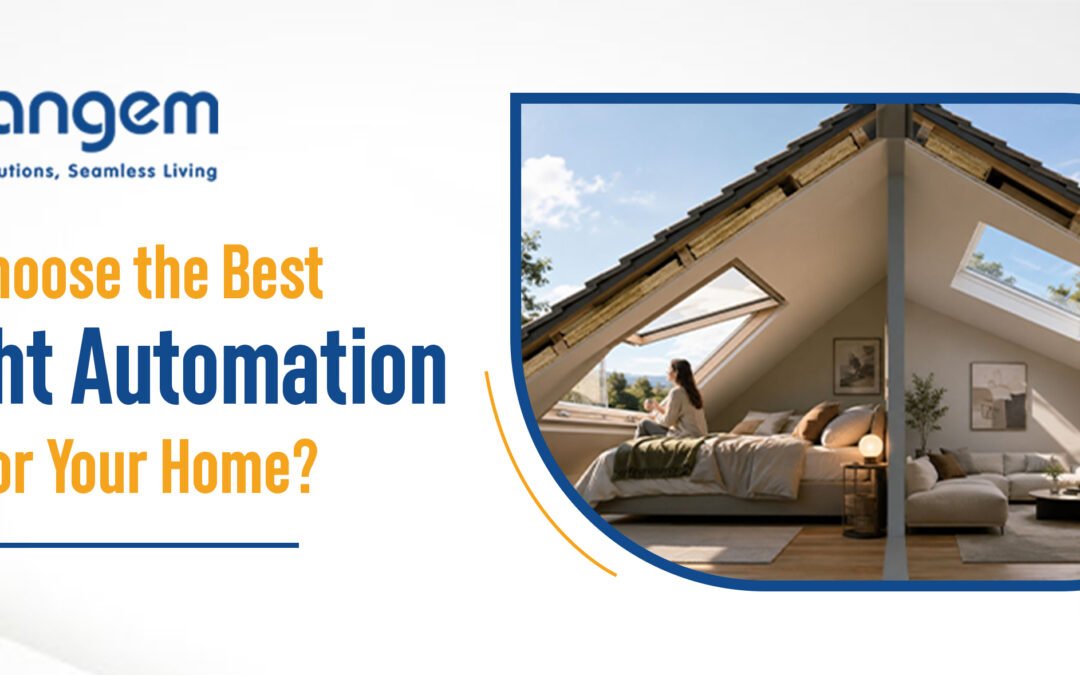
Introduction
Modern homes are becoming smarter, more comfortable, and more energy-efficient with advanced home automation technology. One useful innovation is best skylight automation, which allows homeowners to control roof windows using remote controls, smartphone applications, and smart sensors. Choosing the right system can improve natural ventilation, manage indoor temperatures, and make everyday living more convenient.
For homeowners exploring smart home automation solutions in Madurai, Chennai, and Coimbatore, selecting a suitable skylight automation system requires careful consideration of the home’s design, weather conditions, and lifestyle needs.
What Is a Skylight Automation System?
A skylight automation system enables homeowners to open and close roof windows automatically or remotely. Depending on the model, it may include electric motors, rain sensors, temperature sensors, and smart controls.
These systems can also integrate with compatible home automation solutions, such as automated blinds, lighting, and climate control, creating a more connected and comfortable living environment.
Key Factors to Consider When Choosing a Skylight Automation System
1. Understand Your Home’s Requirements
Before choosing a system, consider your skylight size, roof structure, ceiling height, and ventilation requirements. Homes with high ceilings or hard-to-reach roof windows may benefit from motorised skylights that eliminate the need for manual operation.
Identify whether your primary goal is improving airflow, increasing convenience, managing heat, or controlling natural daylight. Understanding these requirements helps you select a system that suits your home.
2. Choose the Right Control Options
A good skylight automation system should offer convenient and reliable control. Depending on the model, you can choose from wall switches, remote controls, smartphone applications, or automated schedules.
For a smarter living experience, consider systems that support integration with your existing home automation setup. Check compatibility before purchasing to ensure all connected devices work together as intended.
3. Look for Rain and Weather Sensors
Weather protection is an important consideration when selecting automated skylights. Rain sensors can detect rainfall and trigger compatible skylights to close automatically, helping prevent rainwater from entering your home.
Depending on your location and system requirements, temperature sensors and other environmental controls may also be useful. Choose a system designed to handle local weather conditions, and ensure proper waterproofing and installation.
4. Consider Heat Control and Energy Efficiency
Skylights can bring natural daylight into your home, but direct sunlight may also increase indoor temperatures. Choose a solution that supports effective heat management through suitable glazing, automated blinds, or compatible shading systems.
When natural ventilation is practical, automated skylights can help release trapped warm air. These features may reduce reliance on artificial lighting or mechanical cooling under suitable conditions, although actual energy savings depend on your home’s design and climate.
5. Check Smart Home Integration
If you already use smart home technology, look for a skylight automation system that integrates with your existing devices and control platform.
Compatible systems may allow you to create routines, such as opening skylights during suitable morning conditions or coordinating skylight operation with automated blinds. Verify communication protocols, connectivity requirements, and integration features before making a decision.
6. Evaluate Safety, Durability, and Maintenance
Choose a reliable system with suitable motor capacity, quality components, and safety features. Professional installation is important to ensure correct alignment, electrical connections, weather sealing, and smooth operation.
Ask about warranty coverage, maintenance requirements, spare parts, and after-sales support. A well-installed system with appropriate maintenance can provide dependable performance over time.
Is Skylight Automation Worth It for Your Home?
Skylight automation is worth considering if your home has high ceilings, roof windows, limited ventilation, or areas that become warm during the day. The right system can improve everyday convenience while supporting better daylight and airflow management.
Before installation, assess your roof structure, budget, waterproofing requirements, and future smart home plans. Consulting an experienced home automation professional can help you identify a solution that meets your needs.
Conclusion
Choosing the best skylight automation system involves evaluating control options, weather sensors, energy efficiency, smart home compatibility, and installation quality. By selecting a system that suits your home’s design and local climate, you can enjoy greater convenience, improved indoor comfort, and smarter control of natural light and ventilation.
For homeowners looking for smart home automation solutions in Madurai, Chennai, and Coimbatore, Orangem Future Technology can help you explore suitable automation options for your home.
Know More
Orangem Future Technology
Address: 155/1, North Veli St, Opposite to Central Library, Simmakkal, Madurai – 625001
Call: 97904 60287 / 84366 61666
Website: https://orangem.in/